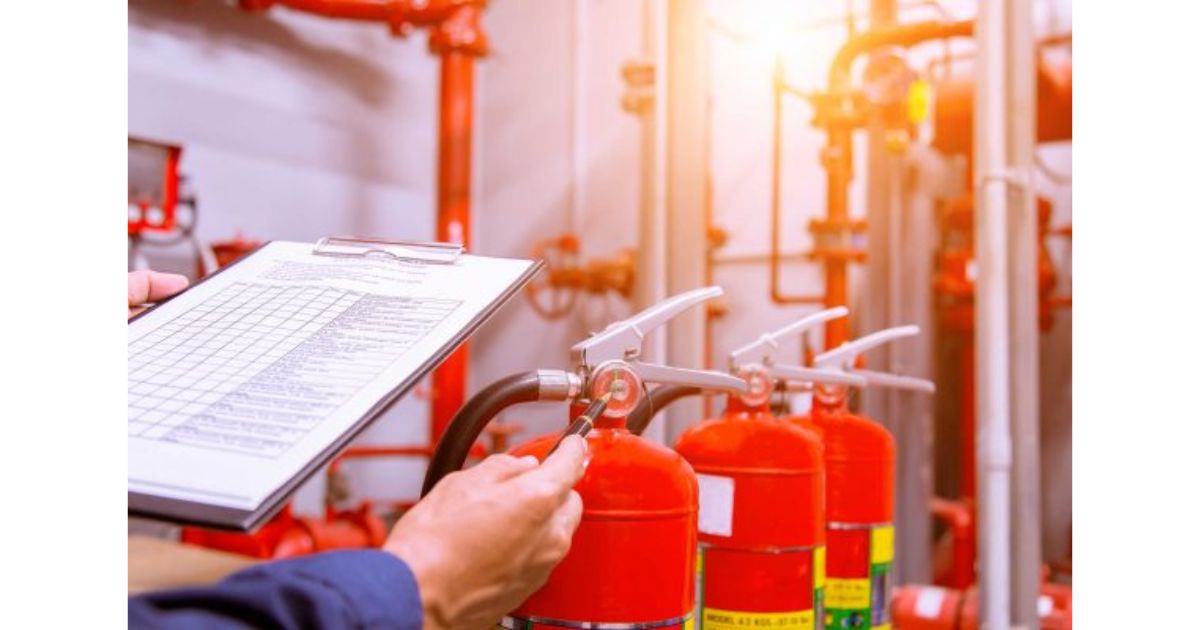
Introduction
Fire protection systems are among the most important safety investments for any residential, commercial, industrial, or institutional building. However, installing a fire protection system is only the beginning. To ensure that every component continues to function correctly during an emergency, organizations must implement a well-planned Bảo trì hệ thống PCCC maintenance program.
Bảo trì hệ thống PCCC involves the routine inspection, testing, servicing, cleaning, repair, and replacement of fire protection equipment. A structured maintenance program helps prevent equipment failures, extends system lifespan, improves emergency preparedness, and ensures compliance with fire safety regulations.
Many organizations perform maintenance only when problems become visible or when inspections are due. This reactive approach often results in higher repair costs, unexpected failures, and increased safety risks. By following industry best practices, building owners and facility managers can create a proactive maintenance program that keeps fire protection systems reliable throughout their service life.
This article explores the best practices for developing and maintaining an effective Bảo trì hệ thống PCCC maintenance program.
Understanding Bảo trì hệ thống PCCC
A fire protection system consists of multiple interconnected devices designed to detect, control, and suppress fires while supporting safe evacuation.
These systems commonly include:
- Fire alarm panels
- Smoke detectors
- Heat detectors
- Automatic sprinkler systems
- Fire pumps
- Fire extinguishers
- Fire hydrants
- Emergency lighting
- Exit signs
- Smoke control systems
- Emergency communication equipment
Every component requires regular inspection and maintenance to ensure dependable operation.
Why a Structured Maintenance Program Matters
A maintenance program provides a systematic approach to caring for fire protection equipment.
Without a structured program, organizations may experience:
- Missed inspections
- Equipment failures
- Delayed repairs
- Incomplete documentation
- Higher maintenance costs
- Increased safety risks
- Regulatory violations
A consistent maintenance schedule helps ensure that every device receives appropriate attention at the correct intervals.
Develop a Comprehensive Maintenance Schedule
One of the most important best practices is creating a detailed maintenance schedule.
The schedule should include:
Daily Inspections
Daily checks are primarily visual inspections designed to identify obvious problems.
Personnel should verify:
- Alarm panels show normal status
- Exit routes remain clear
- Fire extinguishers are accessible
- Emergency exits are unobstructed
- Fire doors close properly
These inspections require minimal time but can quickly identify visible hazards.
Weekly Inspections
Weekly maintenance may include:
- Testing selected alarm functions
- Inspecting fire pump indicators
- Verifying water supply status
- Checking emergency lighting indicators
Frequent inspections help identify developing issues before they worsen.
Monthly Maintenance
Monthly servicing typically includes:
- Fire extinguisher inspections
- Battery checks
- Alarm system testing
- Emergency lighting tests
- Exit sign inspections
These activities ensure equipment remains operational between larger inspections.
Quarterly Maintenance
Quarterly maintenance often includes:
- Sprinkler valve inspections
- Water pressure verification
- Fire pump operational testing
- Smoke detector sampling
- Communication system testing
Quarterly inspections provide a more detailed assessment of system performance.
Annual Maintenance
Annual inspections involve comprehensive testing of every major component.
Activities include:
- Complete alarm system testing Bảo trì hệ thống PCCC
- Sprinkler flow testing
- Fire pump performance evaluation
- Detector sensitivity testing
- Emergency communication verification
- Documentation review
Annual servicing provides the most thorough evaluation of overall system condition.
Maintain Accurate Documentation
Good documentation is essential for an effective Bảo trì hệ thống PCCC program.
Maintenance records should include:
- Inspection dates
- Equipment identification
- Test results
- Repairs completed
- Replacement parts installed
- Technician observations
- Future recommendations
Accurate records help track equipment history, simplify inspections, and support regulatory compliance.
Perform Preventive Rather Than Reactive Maintenance
Preventive maintenance focuses on preventing failures before they occur.
Examples include:
- Cleaning detectors
- Lubricating moving parts
- Replacing aging batteries
- Tightening electrical connections
- Calibrating sensors
- Replacing worn seals
Reactive maintenance, on the other hand, addresses equipment only after it has already failed.
Preventive maintenance reduces downtime, lowers repair costs, and improves reliability.
Inspect Every Component Thoroughly
An effective maintenance program examines every part of the fire protection system.
Inspection areas include:
Fire Alarm Systems
Technicians should inspect:
- Control panels
- Circuit boards
- Wiring
- Manual call points
- Notification devices
- Backup batteries
Every alarm signal should be verified.
Smoke Detectors
Maintenance should include:
- Cleaning
- Sensitivity testing
- Battery replacement where applicable
- Functional testing
- Physical inspection
Proper detector maintenance improves early fire detection.
Heat Detectors
Heat detectors require:
- Operational testing
- Cleaning
- Wiring inspection
- Temperature response verification
These devices are especially important in industrial environments.
Sprinkler Systems
Maintenance includes inspecting:
- Sprinkler heads
- Pipes
- Valves
- Pressure gauges
- Water tanks
- Drain systems
Blocked or damaged sprinkler heads should be replaced immediately.
Fire Pumps
Routine servicing should verify:
- Automatic starting
- Pressure output
- Fuel supply
- Lubrication
- Electrical systems
- Cooling systems
Reliable pumps ensure adequate water pressure during emergencies.
Fire Extinguishers
Each extinguisher should be inspected for:
- Pressure
- Physical condition
- Accessibility
- Expiration dates
- Safety seals
- Hose condition
Extinguishers should always remain ready for immediate use.
Replace Worn Components Promptly
Every fire protection component has a limited service life.
Items commonly requiring replacement include:
- Batteries
- Smoke detectors
- Alarm sounders
- Sprinkler heads
- Control modules
- Pressure gauges
- Rubber seals
Delaying replacement increases the risk of equipment failure during emergencies.
Use Qualified Maintenance Professionals
Fire protection systems are complex and require specialized knowledge.
Qualified technicians understand:
- Fire safety standards
- Inspection procedures
- Equipment diagnostics
- Repair methods
- Testing protocols
- Documentation requirements
Professional servicing improves maintenance quality while reducing the likelihood of overlooked problems.
Train Building Personnel
Maintenance professionals are not always present.
Building staff should receive training to recognize obvious warning signs, including:
- Damaged detectors
- Missing extinguishers
- Blocked exits
- Alarm panel warning lights
- Water leaks near fire equipment
Prompt reporting allows technicians to address issues before they become serious.
Integrate Maintenance with Fire Safety Programs
Bảo trì hệ thống PCCC should work alongside broader fire safety initiatives.
Organizations should coordinate maintenance with:
- Fire drills
- Emergency response planning
- Employee training
- Risk assessments
- Building inspections
- Safety meetings
This integrated approach strengthens overall emergency preparedness.
Utilize Modern Maintenance Technology
Technology continues improving maintenance efficiency.
Modern tools include:
- Digital inspection software
- Mobile maintenance applications
- Cloud-based maintenance records
- Smart fire alarm systems
- Remote monitoring
- Predictive maintenance platforms
Digital systems reduce paperwork while improving record accuracy and maintenance scheduling.
Conduct Regular Performance Reviews
A maintenance program should be evaluated regularly.
Facility managers should review:
- Equipment reliability
- Inspection completion rates
- Repair frequency
- Maintenance costs
- System downtime
- Regulatory compliance
Performance reviews help identify opportunities for continuous improvement.
Common Mistakes to Avoid
Organizations should avoid several common maintenance errors.
Skipping Scheduled Inspections
Missed inspections increase the likelihood of unnoticed equipment failures.
Ignoring Minor Problems
Small issues such as weak batteries or minor leaks often develop into larger failures if left unresolved.
Incomplete Documentation
Poor record keeping makes future inspections more difficult and may create compliance problems.
Delaying Equipment Replacement
Using outdated or damaged equipment reduces system reliability.
Focusing Only on Visible Components
Hidden piping, wiring, valves, and control equipment require the same level of attention as visible devices.
Building a Culture of Fire Safety
The most successful maintenance programs are supported by a strong organizational commitment to safety.
Management should encourage:
- Employee awareness
- Prompt hazard reporting
- Routine inspections
- Continuous improvement
- Safety training
- Preventive maintenance
When fire safety becomes part of daily operations, maintenance activities become more effective and consistent.
Preparing for Future Maintenance Needs
As buildings evolve, fire protection systems also require updates.
Organizations should plan for:
- Equipment modernization
- System expansions
- Regulatory changes
- New technologies
- Increased occupancy
- Building renovations
Long-term planning ensures the maintenance program continues meeting future safety requirements.
Conclusion
An effective Bảo trì hệ thống PCCC maintenance program is essential for ensuring reliable fire protection and long-term building safety. By developing structured maintenance schedules, performing preventive servicing, maintaining accurate records, replacing aging components, training personnel, and using qualified technicians, organizations can significantly improve the performance and reliability of their fire protection systems.
Fire emergencies occur unexpectedly, making equipment readiness a top priority. A well-managed maintenance program minimizes failures, reduces repair costs, supports regulatory compliance, and enhances emergency preparedness. Ultimately, investing in best practices for Bảo trì hệ thống PCCC helps protect lives, preserve valuable assets, and create a safer environment for everyone who enters the building.
